

With so many breed choices, it can be difficult to decide. Avoid being influenced by current trends and aesthetics.
Do your research, avoid puppy farms or situations which you believe to be ‘not quite right’. Remember to ask yourselves whether your breed of choice is suited to your environment and lifestyle. Write down a list of characteristics which are important to you.
Here’s a list of helpful considerations:
- Energy level and exercise requirements
- Size when fully grown.
- Temperament
- Trainability and breed specific requirements.
- Coat maintenance
- Common health issues
- Feeding costs
- Veterinary costs
- Training costs
- Holiday cover costs if necessary
Once you have made your choice and you begin to contact reputable breeders, do not be afraid to ask plenty of questions such as:
- Did they breed the puppy themselves?
- How many puppies are there in the litter and how old are they?
- Will you be able to see the whelping area?
- Will you be able to see the parents?
- How old is the mother and how many litters has she had?
- Was the birth natural or was a caesarean section required?
- If a c-section was required, has the mother had one before, if so how many times?
- Have the puppies had any health problems?
- Have the parents been checked for inherited conditions?
- For KC registered puppies, can you see the registration details of the sire (father) and dam (mother)?
- Will the puppies be vaccinated and wormed before coming home with you and which vaccine will it be used. (You will need it to be the same as your local vet to avoid having to start the vaccinations again)?

When you visit the puppy, I recommend ask more questions such as:
- Can you meet all the puppies?
- Can you see the mother?
- What are the mother and father’s temperament like?
- How have the puppies been socialised?
- What experiences does the breeder aim to provide to the puppies before they go to their new home?
- If you have children – have the puppies been seen by other children?
- Will there be a contract of sale?
- Can you see the pedigree (family tree)?
- Can you see any health certificates for both the mother and father of the puppy?
- Will you be given any written advice when you take the puppy home?
- Can the puppy be returned if there are any problems?
- What dog food would the breeder recommend?
- If you’d like to breed from the puppy once they are old enough, will there be any breeding restrictions in the contract?
- At what age will the puppy be microchipped?
- At what age will the puppy be allowed to come home with you?
- If the puppy is older than 8 weeks when you visit ask why?
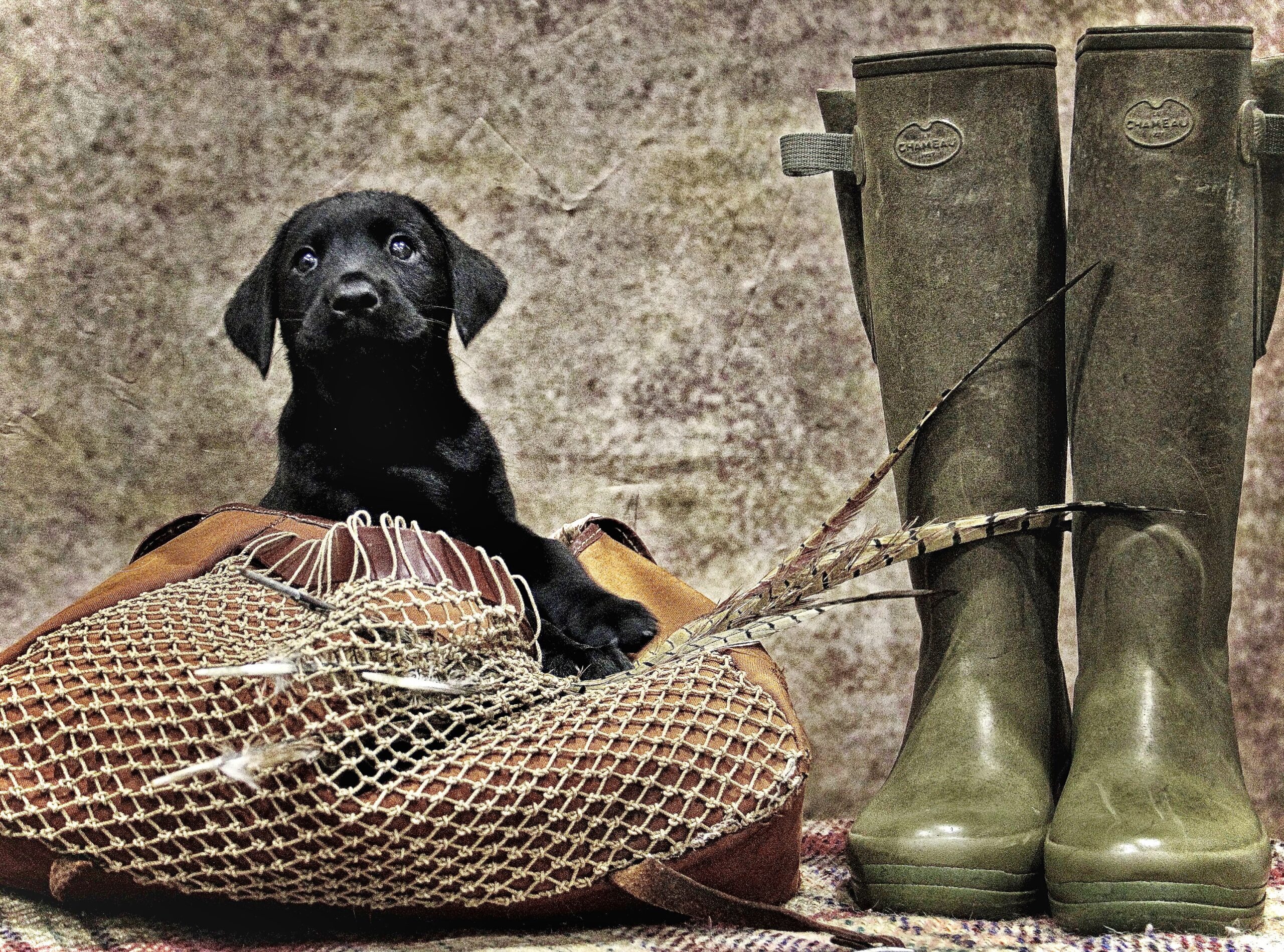
BY ASKING THESE QUESTIONS YOU WILL QUICKLY ESTABLISH WHETHER OR NOT THE BREEDERS ARE REPUTABLE.
IF THEY ARE UNABLE TO ANSWER, CONSIDER THIS AS A POTENTIAL RED FLAG, WHY CAN’T THEY ANSWER, COULD IT BE A PUPPY FARM?????
Further useful information can be found by clicking this link
I am genuine delighted when people contact me to ask advice on buying a new puppy.
Let me share a recent case study with you.
The family had decided they would like a Labrador puppy.
They had researched the breed independently and decided a working Labrador was the right puppy for them.
They had learnt that working Labrador’s can be very different. They knew to avoid the ‘Ferrari’ type as
this would not suit their family or lifestyle.
They had rightly taken the time to speak with reputable breeders to discuss their requirements and ask the IMPORTANT questions as written above.
Prior to the purchase, I was on hand to answer any questions and provide help and support when needed.
Clients followed my recommendations and advice; therefore they are reaping the rewards and puppy is maturing into a super, healthy, happy and balanced young dog.
If the clients had taken the plunge to buy a Labrador puppy without having done the research the experience could be very different.
A Labrador who has a long line of field trial champions (FTCH) in their breeding can often be high drive and high energy ‘Ferraris’. Unless you are prepared for this type of dog, it can come as a huge shock when these dogs begin to present challenging behaviours such as boisterous behaviour, jumping up, play biting, picking everything up, pulling on the lead, lack of focus, poor recall.
Labradors have changed over the years; they are not necessarily ‘easy’ to train which is many people’s assumption of the breed. Many no longer fit the stereotypical laid back, couch potato, plod along pet.
Before you make your final decision buying a puppy, PLEASE DO YOUR RESEARCH AND CONTACT ME!!
Some information has been taken from the link above – The Royal Kennel Club
Ready to Build a Better Relationship with Your Dog?
Discover how my expertise can transform your dog's behaviour and your bond.